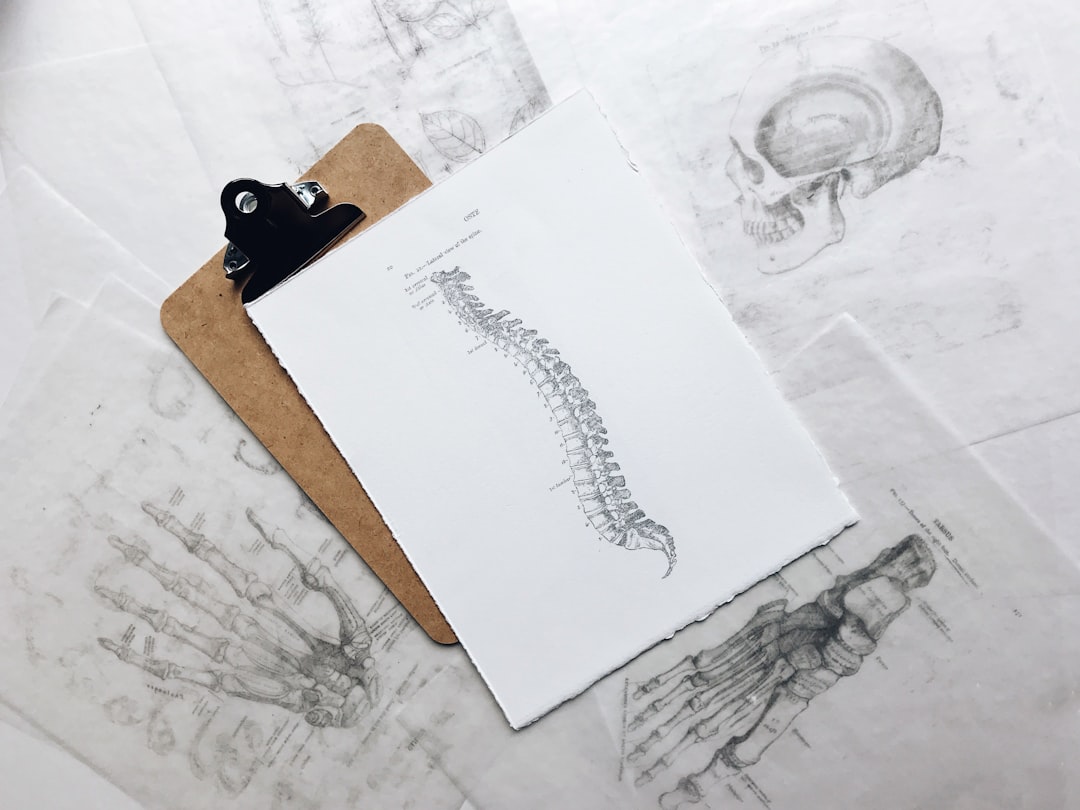

Greetings, astute readers, and welcome to yet another comprehensive analysis from Rate-Things . com. Today, we explore posture, a subject that is frequently ignored but has a significant impact on our everyday health, productivity, and self-perception. I approach this topic as a vital component of ergonomic health and physical longevity rather than as a passing fad as an experienced technology and lifestyle journalist with a focus on rigorous product evaluation & the ‘Rate-Things’ methodology. A silent killer, poor posture can cause a host of health problems, from stiffness and chronic back pain to decreased lung capacity & poor circulation. On the other hand, developing good posture can lead to a number of advantages, including increased physical comfort, increased self-assurance, and even better mental clarity.
This thorough guide will break down nine incredible ways to improve your posture, offering practical advice based on current physiological knowledge and professional advice. Understanding the Causes of Bad Posture: The Silent Epidemic. It’s critical to recognize how widespread bad posture is before moving on to the solutions.
Improving your posture can have a significant impact on your overall health and well-being. For those looking to enhance their professional skills while also focusing on personal development, you might find the article on the best online courses for career advancement in 2024 particularly useful. It discusses various courses that not only help in career growth but also emphasize the importance of maintaining a healthy lifestyle, which includes good posture. You can read more about it in this article: The Best Online Courses for Career Advancement in 2024.
Our bodies are frequently forced into unnatural positions for prolonged periods of time in the modern world, which is heavily entwined with digital screens and sedentary lifestyles. The “tech neck” phenomenon, which is typified by a forward head posture, is a clear illustration of how our pervasive gadgets alter our alignment. Similarly, a slumped upper back, rounded shoulders, and anterior pelvic tilt can result from prolonged sitting, frequently in poorly fitting chairs or without sufficient ergonomic support. When these habitual positions are maintained over time, they lead to muscular imbalances: some muscles become weak and overstretched, while others become tight and overactive.
This starts a vicious cycle that makes it harder and harder to keep your spine neutral and in the best possible alignment. Beyond Aches and Pains: The Consequence Cascade. The consequences of bad posture go well beyond occasional discomfort or aesthetic issues. Think of your body’s structural integrity as an intricately designed structure.
Misalignment of the foundation or supporting beams causes uneven stress distribution, which accelerates wear and tear. In a similar vein, bad posture accelerates degenerative changes by putting excessive strain on your joints, ligaments, and spinal discs. It may affect respiration and digestion by compressing internal organs.
Improving your posture can have a significant impact on your overall health and well-being. Alongside the tips provided in the article “9 Amazing Ways To Improve Your Posture,” you might find it beneficial to explore how your environment affects your comfort and posture. For instance, using the right equipment can enhance your workspace. A related article discusses the best options for maintaining warmth and comfort during colder months, which can also influence your sitting posture. You can read more about it in this helpful article.
| Method | Description | Estimated Improvement Time | Key Benefit |
|---|---|---|---|
| Practice Proper Sitting | Keep feet flat, back straight, and shoulders relaxed while sitting. | 1-2 weeks | Reduces back and neck pain |
| Strengthen Core Muscles | Engage in exercises like planks and bridges to support spine alignment. | 4-6 weeks | Improves spinal support and stability |
| Use Ergonomic Furniture | Choose chairs and desks that promote natural posture. | Immediate to 1 week | Enhances comfort and reduces strain |
| Stretch Regularly | Perform stretches targeting chest, shoulders, and back muscles. | 2-3 weeks | Increases flexibility and reduces muscle tightness |
| Maintain Awareness | Check and correct posture throughout the day. | Ongoing | Prevents bad posture habits |
| Limit Screen Time | Take breaks and avoid slouching when using devices. | 1-2 weeks | Reduces neck strain and eye fatigue |
| Wear Supportive Footwear | Choose shoes that provide good arch support and cushioning. | Immediate | Improves overall body alignment |
| Sleep with Proper Alignment | Use pillows and mattresses that support natural spine curves. | 1-2 weeks | Reduces morning stiffness and pain |
| Consult a Professional | Seek advice from physiotherapists or chiropractors for personalized care. | Varies | Targets specific posture issues effectively |
Also, the psychological effects should not be undervalued; a slouched posture can affect one’s mood & energy levels and frequently conveys an image of low confidence. Regaining your physical potential and improving your general quality of life are more important goals of breaking these deeply rooted habits than aesthetics. The Fundamentals of Mindful Alignment and Dynamic Movement. It takes constant dedication to mindful movement and focused strengthening to improve posture. Maintaining proper alignment throughout the day requires a combination of strengthening to support a neutral spine, stretching to release tense muscles, and conscious awareness. Consider your body as a dynamic system that is always reacting to the forces that are applied to it.
Our objective is to train this system to default to an ideal alignment that uses less energy. First. Adopt focused stretching and flexibility exercises. When bad posture causes stiffness and rigidity, stretching is frequently the first line of defense. It relieves tension, lengthens tense muscles, and increases range of motion.
H 3. Shoulder & Chest Openers: Unlocking the Upper Body. The shoulders & upper back are frequently affected by postural problems. Long-term phone use or desk work frequently results in tight anterior deltoids and pectorals, which pull the shoulders forward.
Chest Opener: According to Healthline’s 12 Posture Exercises (Updated April 14, 2025), this easy yet powerful stretch entails lifting your arms and gently drawing your shoulder blades together while interlacing your fingers behind your back or holding a towel. In doing so, rounded shoulders are countered and the chest is opened. Doorway Stretch: The Women’s Health 2026 Resolutions recommend stretching your chest through a doorway. Feel the stretch across your chest as you take a gentle step forward while standing in a doorway with your forearms on the frame. To untuck those hunched shoulders, this is a great method.
H 3. Yoga and Pilates-Inspired Stretches to Release Spinal Tension. A wide range of exercises aimed at enhancing spinal flexibility and mobility are available in yoga and pilates. Child’s Pose (Balasana): This healing pose from Healthline promotes relaxation for the neck and back while gently stretching the hips, thighs, and ankles. Cat-Cow (Marjaryasana-Bitilasana): This fluid pose from Healthline improves flexion and extension by articulating the spine.
For people who are unable or unwilling to get on the floor, the Standing Cat-Cow provides a comparable advantage. Spine Rotation: The thoracic spine, which can become stiff from extended static positions, can be made more mobile with mild spinal twists, according to Healthline. Two. Build a stronger foundation by strengthening your back and core. A strong core is the foundation of proper posture, supporting and stabilizing your entire spine, and it’s not just about having attractive abs.
Other muscles must compensate when there is insufficient core strength, which causes weariness and bad alignment. H 3. Core Powerhouses: Pelvic tilts & planks. Deep core muscles, which are necessary for preserving a neutral spine, are activated by these exercises. The significance of planks is emphasized in both the NMB Park 2026 Resolutions and the High Plank and Side Plank.
Holding a plank teaches your body to maintain a rigid, aligned position by using your entire core. The obliques are particularly targeted by side planks, which are essential for lateral stability. Pelvic Tilts: Included in the Cleveland Clinic’s eight posture exercises, these delicate motions aid in re-educating the pelvis and correcting tendencies such as anterior or posterior pelvic tilt, which have a significant effect on lumbar curve.
You can enhance awareness & isolate the movement by doing them while sitting or lying down. H3. Strengthening the posterior chain is known as back support. The muscles of the upper and lower back, which are frequently disregarded, are essential for preserving an upright posture. Scottsdale PT’s 10 Best PT Exercises promotes the Seated Row (Resistance Band Pull) exercise.
The rhomboids and trapezius muscles, which retract the shoulders and support the upper back, are strengthened by pulling your shoulder blades together and down with a resistance band. Glute Bridge: According to Healthline, this exercise counteracts the negative effects of extended sitting by strengthening the hamstrings and glutes, which are essential for supporting the lower back & pelvis. Third. The “Titanic Exercise” is a fast way to realign habits. Even the most basic interventions can have significant effects. This idea is demonstrated by the “Titanic Exercise,” which is becoming popular due to its efficacy and efficiency.
H.3. “100 Seconds to Perfect Posture.”. This no-equipment exercise, which can be seen on YouTube, entails ten repetitions of 10-second holds every day. Active engagement of the muscles supporting your spine is the main idea. You imagine a string pulling your head up, gently tucking your chin, and drawing your shoulder blades back and down as you sit or stand tall.
Importantly, the YouTube method frequently uses a pillow to support the lumbar region & encourage the lower back’s natural curve. Even for short intervals, this continuous self-correction promotes correct alignment and helps develop muscular memory. It’s similar to resetting the internal GPS of your body.
#4.
Make posture checks a part of your everyday routine. Tying new habits to old ones is a common strategy. Improving posture can become an automatic process with this tactic. H.3. The posture cue, “Brush Your Teeth.”.
A clever solution is suggested by Women’s Health 2026 Resolutions: “Brush teeth with posture checks.”. “Do the following quick sequence while brushing. To relieve tension and stabilize shoulders, roll them up, back, and down five times. Tuck your chin so that your head is over your shoulders. To combat rounding, quickly stretch your chest on a doorframe. You can create regular opportunities to realign without investing additional time by linking these micro-breaks to a regular schedule.
By increasing muscle memory and awareness, you can easily incorporate improved posture into your daily routine, lessen back pain, and encourage a more upright stance. Five. Make Use of Ergonomics: Your surroundings are your ally. Your immediate surroundings have a significant impact on how you posture yourself. Many common postural pitfalls can be avoided by optimizing your workspace in particular.
H-3. The command center that is ergonomic. The setup is crucial for those of us who spend a lot of time at a desk.
To avoid straining your neck, make sure your computer monitor is at eye level. Your feet should be flat on the ground (or on a footrest) with your knees at a 90-degree angle, and your chair should offer sufficient lumbar support. Keep your elbows close to your body, your shoulders relaxed, and your forearms parallel to the floor when positioning your keyboard and mouse. H-3.
Sleep Wisely: The Mattress & Pillow Matter. Posture matters even when you’re sleeping. It’s critical to have a supportive mattress that preserves your spine’s natural curves.
Whether you sleep on your back, side, or stomach, your pillow should provide neutral support for your head and neck. An excessively high or low pillow can aggravate forward head posture and cause neck pain. Fifth.
Wall Angels & Shoulder Blade Pushes: The Power of Standing Tall. Physical therapists frequently advise these exercises, which target the muscles that improve thoracic extension and bring your shoulders back. H 3. Wall Angels: Strengthening Your Back.
Wall Angels, one of the eight posture exercises from the Cleveland Clinic, are great for strength and mobility. Press your head, shoulders, and glutes into the wall as you stand with your back against it. Keep your elbows and wrists as close to the wall as you can as you raise your arms to form a snow angel.
The effects of forward-slumped shoulders are mitigated by this exercise, which promotes thoracic extension & strengthens the muscles that retract your shoulder blades. H 3. Shoulder Blade Push: Conscious Control of the Scapula. The Shoulder Blade Push is another exercise from Cleveland Clinic that is gentle yet effective. Press your shoulder blades gently down & back while sitting or standing, and feel the muscles between them contract.
Release after a brief period of holding. You learn to use these postural muscles actively throughout the day as a result. To supplement these methods with additional resources on preserving spinal health, take a look at this comprehensive guide on optimizing spinal alignment. Seven. The secret weapon of the foam roller is thoracic extension. A “hunchback” appearance is often caused by the thoracic spine, or mid-back, becoming stiff and rounded.
In this situation, specialized tools can be very useful. H 3. Using a foam roller to open the mid-back.
“Thoracic Extension with a foam roller” is one of the top ten physical therapy exercises from Scottsdale PT. Place a foam roller under your mid-back in a horizontal position while lying on your back. Gently extend your upper back over the roller, placing your hands behind your head for support.
Pause on any tight spots as you slowly move the roller up and down your mid-back. This increases overall spinal mobility and aids in restoring the thoracic spine’s natural curve. This is a very efficient method of preventing the flexion that comes with extended sitting.
Eight. Integration of Dynamic Movement: Beyond Static Holds. While strength training and static stretches are important, incorporating dynamic posture-promoting exercises throughout the day can have a profound impact.
H-3. Pigeon Pose and Downward Dog Pose: Complete Body Alignment. These yoga poses have many advantages, according to Healthline. Downward Dog (Adho Mukha Svanasana): This inversion strengthens the arms and shoulders while stretching the hamstrings, calves, & spine. It promotes healthy head and neck alignment as well as spinal length.
Pigeon Pose (Eka Pada Rajakapotasana): Mostly a hip opener, Pigeon Pose can release tension in the hips & glutes, which frequently lead to postural imbalances and lower back problems. H-3. Isometric Pulls and Ear-to-Shoulder Holds: Subtle Power. Healthline suggests doing isometric pulls to build muscle strength over time without moving. Imagine pressing your head against a hand in different directions or bringing your shoulder blades together against resistance. This strengthens the muscles used for posture.
Cleveland Clinic provides this easy stretch: ear-to-shoulder holds. Stretch the muscles in your neck by gently tilting your head and bringing your ear closer to your shoulder. This relieves tension that may cause the head to become misaligned.
Ten. See an Expert: When to Seek Professional Advice. While most people find great success with these exercises and techniques, some postural problems are caused by more complicated underlying conditions. H3.
Ergonomists and physical therapists’ roles. Seeking professional advice is crucial if you have ongoing pain, numbness, or tingling, or if your postural problems don’t seem to be improving on their own. A physical therapist can perform a thorough evaluation, pinpoint particular muscle imbalances, and create a customized fitness regimen. Your workspace can be optimized by an ergonomist to meet your specific requirements and avoid additional strain. Don’t be afraid to take advantage of their knowledge; they are your best allies on the path to pain-free living and ideal posture. Concluding Thoughts: Improving Posture.
Attaining a stiff, military-like stance is not the goal of improving posture. It’s about developing a natural, effortless alignment that strengthens the structure and improves the function of your body. It’s a path of focused action, persistent effort, & mindful awareness. If you incorporate even a few of these “9 Amazing Ways To Improve Your Posture” into your daily routine, you will start to see a significant improvement not only in your posture but also in your mood, movement, & interaction with the outside world.
Your body is your most intricate and priceless piece of equipment; if you take care of it, it will continue to function well for many years to come. Disclaimer: This article contains general health and lifestyle information. It is not a replacement for expert medical advice, diagnosis, or care.
If you have any questions about a medical condition, you should always consult your doctor or another qualified health care provider. There may be affiliate links in this content, which means that Rate-Things . com may receive a commission from purchases made using those links at no additional cost to you.
.
FAQs
What are some simple daily habits to improve posture?
Simple daily habits include sitting and standing up straight, keeping your shoulders back, aligning your ears with your shoulders, and avoiding slouching. Regularly taking breaks to stretch and move can also help maintain good posture.
How does improving posture benefit overall health?
Improving posture can reduce back and neck pain, decrease the risk of spinal problems, improve breathing and circulation, enhance digestion, and boost confidence and energy levels.
Can exercises help in correcting poor posture?
Yes, exercises such as yoga, Pilates, and strength training targeting the core, back, and shoulder muscles can help correct poor posture by strengthening the muscles that support the spine.
Is ergonomic furniture important for maintaining good posture?
Ergonomic furniture, like chairs with proper lumbar support and adjustable desks, can promote good posture by encouraging correct alignment and reducing strain during prolonged sitting or working.
How can technology use affect posture, and what can be done?
Prolonged use of smartphones, tablets, and computers often leads to forward head posture and slouching. To counteract this, maintain screen height at eye level, take frequent breaks, and perform posture-correcting stretches regularly.